
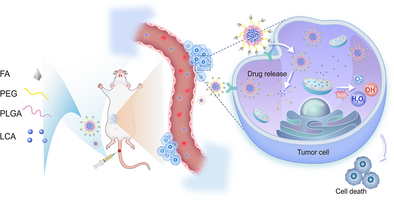
AbstractBased on the high expression of folic acid (FA) receptors in triple-negative breast cancer cells, we encapsulated licochalcone A (LCA) in FA-modified polyethylene glycol-poly(lactic-co-glycolic) acid nanoparticles (NPs) for enhanced targeting and antitumor activity. In vitro experiments on 4T1 cells showed that NPs with FA modification exhibited excellent performance, including inhibition of ...
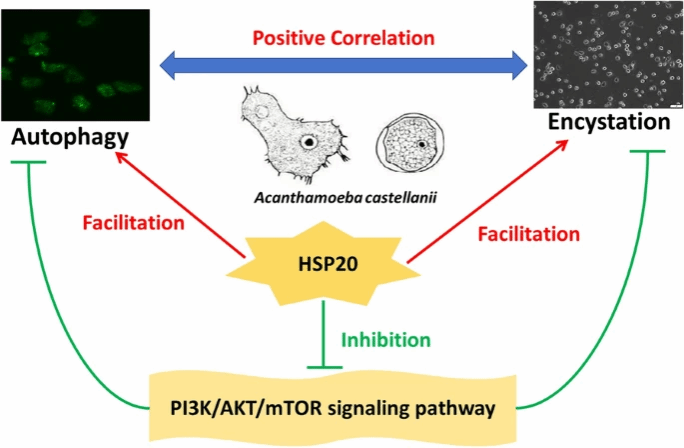
AbstractBackground: The encystation of Acanthamoeba castellanii has important ecological and medical significance. Blocking encystation is the key to preventing transmission and curing infections caused by A. castellanii. The formation of autophagosomes is one of the most important changes that occur during the encystation of Acanthamoeba. Our previous studies have shown that the heat shock protein ...
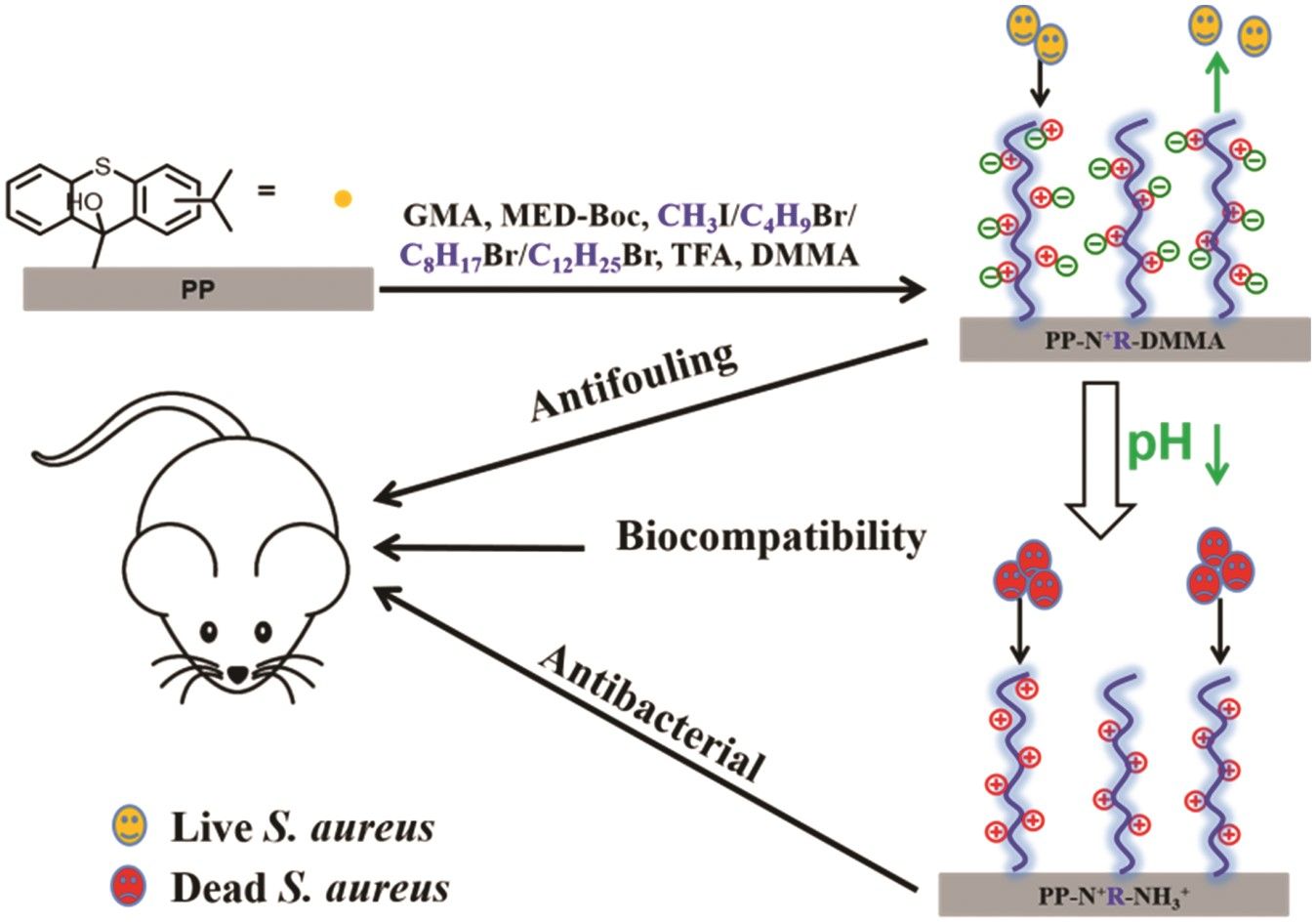
AbstractBacteria-induced infections have always been associated with various medical devices. The construction of an intelligent antimicrobial surface is an important challenge. In this study, we report the construction of a zwitterionic surface with good biocompatibility under physiological conditions and which shows an anti-adhesion effect on the original bacteria. Once the bacteria multiply, the ...
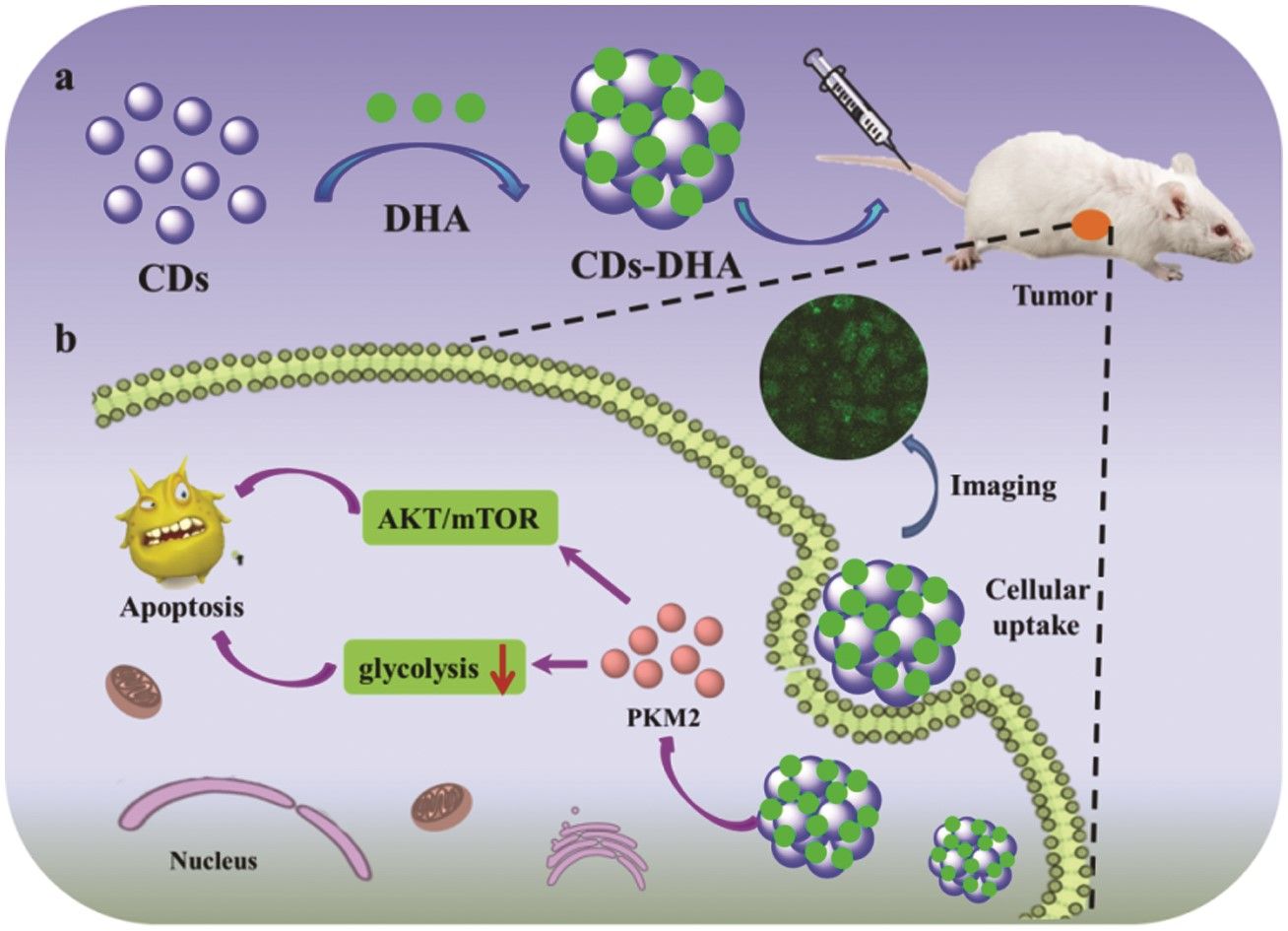
AbstractDihydroartemisinin (DHA) has been regarded as a potential anticancer agent in recent years. Nevertheless, the clinical applications of DHA are seriously restricted as a result of its intrinsic characteristics, such as poor water solubility, instability, and fast clearance. Herein, a type of fluorescent nanoparticles was successfully fabricated via supramolecular assembling of carbon dots (CDs)...
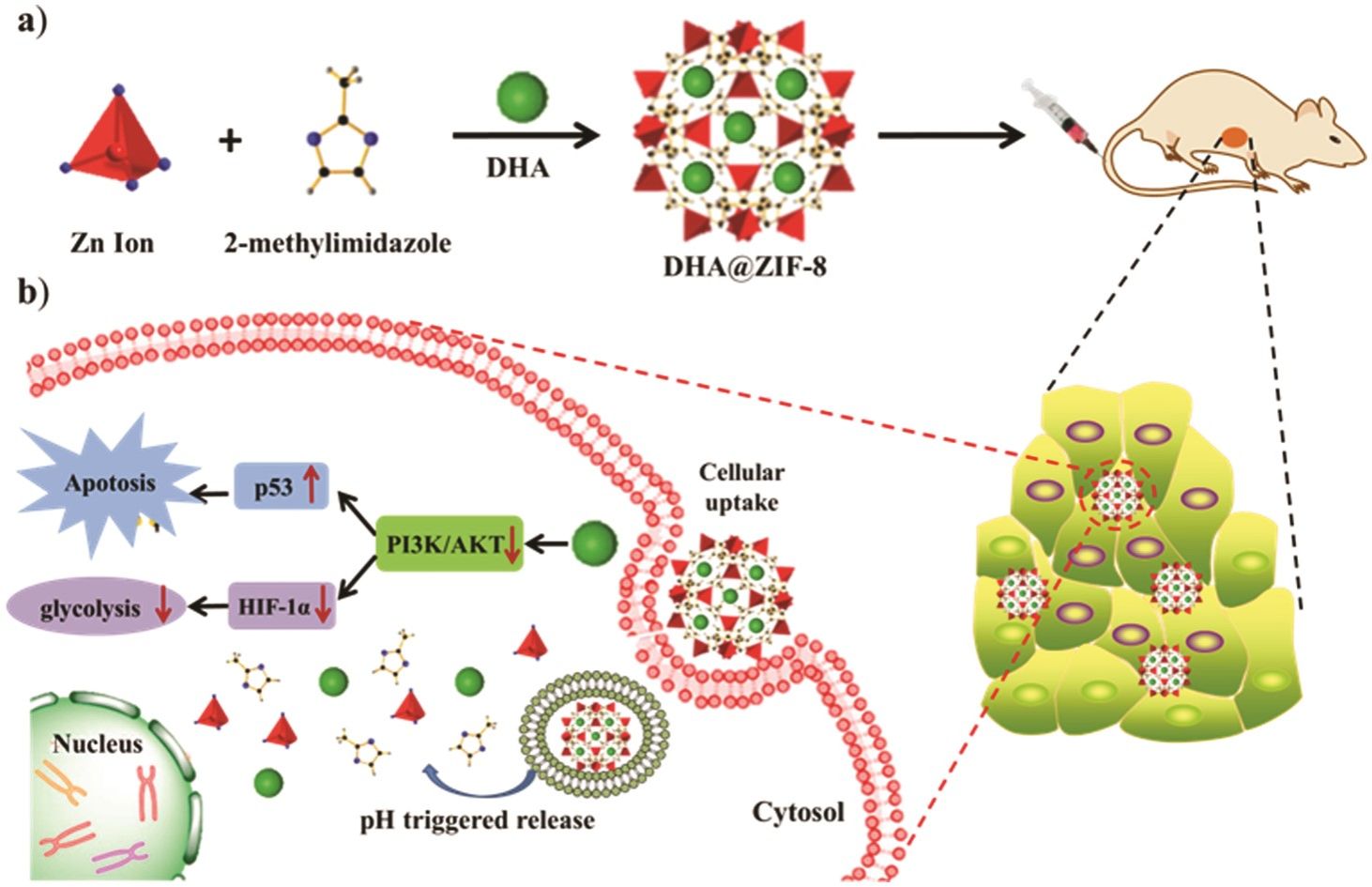
AbstractDihydroartemisinin (DHA) has attracted increasing attention as an emerging therapeutic agent for tumor treatment. However, the clinical application of DHA is seriously limited owing to its inherent properties, including low solubility, poor selectivity, and fast clearance. Herein, we report a facile yet efficient strategy based on using zeolitic imidazolate framework-8 to load DHA (DHA@ZIF-...
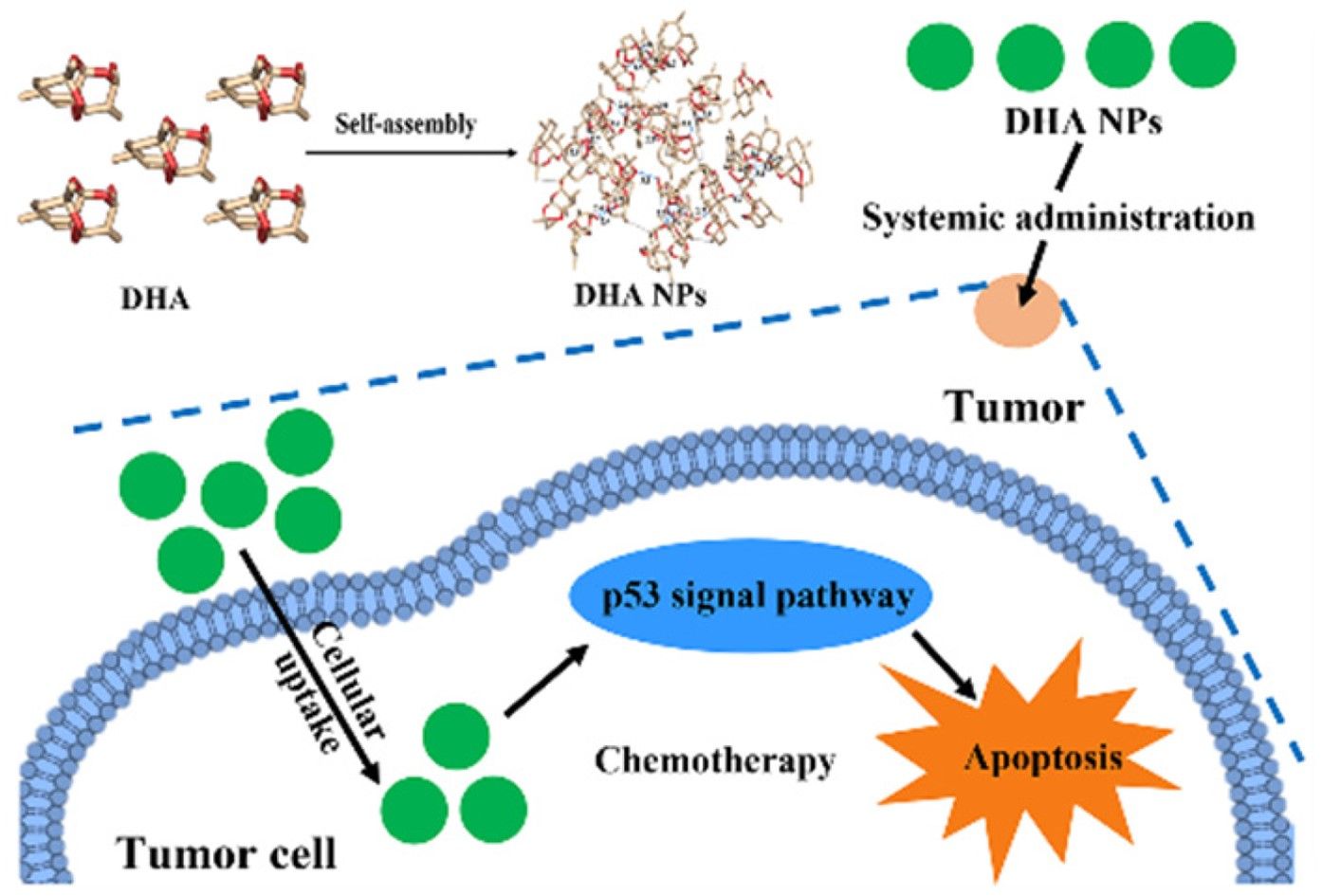
AbstractDihydroartemisinin (DHA), a plant-derived natural product, has recently been proven to be an effective therapeutic agent for cancer treatment. Nevertheless, the poor water solubility and low bioavailability of DHA seriously impede its clinical applications. Herein, a simple and green strategy based on the self-assembly of DHA was developed to synthesize carrier-free nanoparticles (NPs). The ...
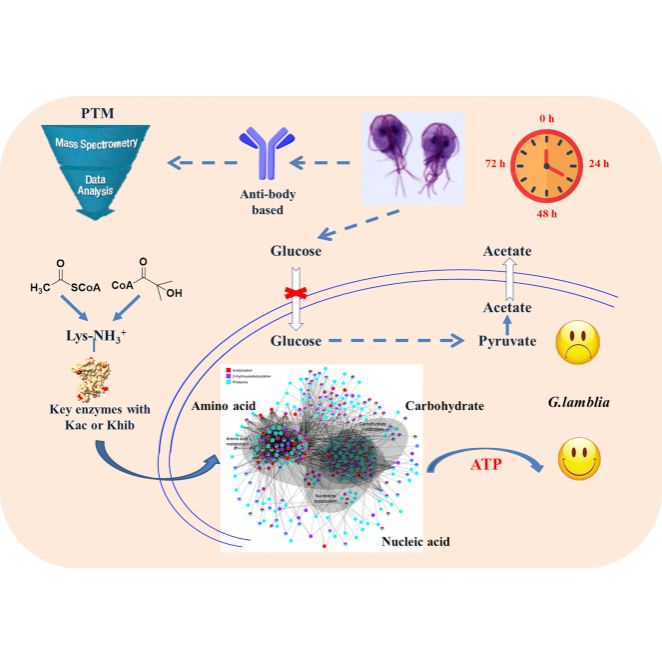
AbstractGiardia lamblia (G. lamblia) is the cause of giardiasis, a common infection that affects the general population of the world. Despite the constant possibility of damage because of their own metabolism, G. lamblia has survived and evolved to adapt to various environments. However, research on energy-metabolism conversion in G. lamblia is limited. This study aimed to reveal the dynamic metabolism ...
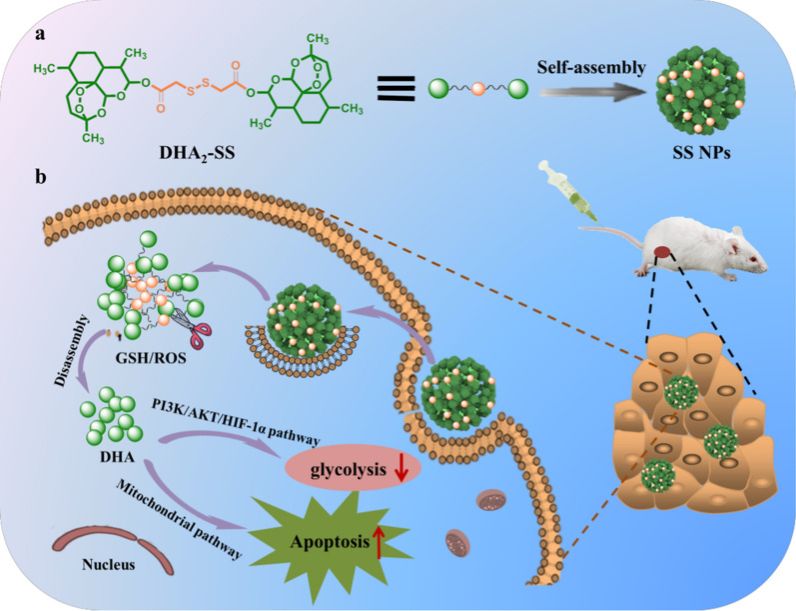
AbstractRedox-responsive drug delivery system emerges as a hopeful platform for tumor treatment. Dihydroartemisinin (DHA) has been investigated as an innovative tumor therapeutic agent. Herein, a DHA dimeric prodrug bridged with disulfide bond as linker (DHA2-SS) has been designed and synthesized. The prepared prodrugs could self-assemble into nanoparticles (SS NPs) with high DHA content (> 90%) and ...